
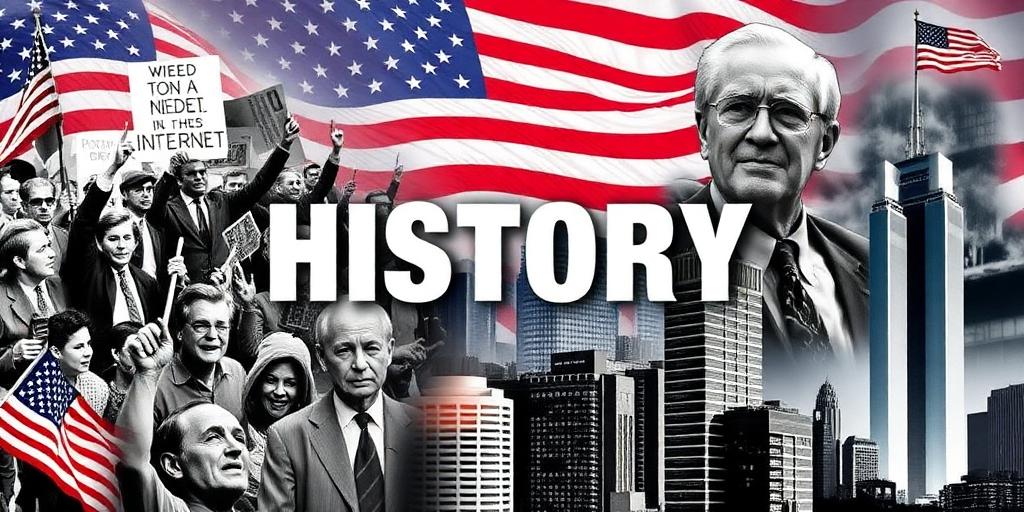
Key Moments That Shaped Modern America
America's journey to modernity is a tapestry woven with threads of pivotal events, each leaving an indelible mark on the nation's social, political, and economic landscape. This article explores key moments that have shaped modern America, examining their immediate impact and enduring legacy.
The Civil Rights Movement (1954-1968)
The Civil Rights Movement stands as a watershed moment in American history. Fueled by decades of racial segregation and discrimination, African Americans and their allies fought for equal rights under the law. Landmark events such as the Montgomery Bus Boycott (1955-1956), the March on Washington (1963), and the passage of the Civil Rights Act of 1964 and the Voting Rights Act of 1965, dismantled legal segregation and expanded voting rights. The movement transformed American society by promoting racial equality and inspiring future generations to fight for social justice. The echoes of this struggle continue to resonate in contemporary debates about race, justice, and equality.
The Vietnam War (1955-1975)
The Vietnam War deeply divided American society and challenged the nation's role in global affairs. The conflict sparked widespread protests against the war's human cost and moral implications. The anti-war movement questioned the government's credibility, fueled a counterculture, and contributed to a decline in public trust. The war's legacy includes a reassessment of American foreign policy, a greater emphasis on diplomacy, and a lingering awareness of the potential consequences of military intervention.
The Watergate Scandal (1972-1974)
The Watergate Scandal shook the foundations of American democracy. The break-in at the Democratic National Committee headquarters in the Watergate Hotel led to revelations of widespread abuse of power by the Nixon administration. The scandal led to President Richard Nixon's resignation and highlighted the importance of government transparency and accountability. The Watergate Scandal prompted reforms aimed at preventing future abuses of power, strengthening ethical standards, and reinforcing the rule of law.
The Rise of the Internet (1983-Present)
The advent of the internet has revolutionized communication, commerce, and culture in the late 20th and early 21st centuries. The internet has democratized access to information, facilitated global connectivity, and spurred economic growth. The rise of social media has transformed social interactions and political discourse, creating new opportunities for engagement but also posing challenges related to misinformation, privacy, and cybersecurity. The internet continues to evolve, shaping the way we live, work, and interact with the world.
The September 11th Attacks (2001)
The September 11th attacks had a profound impact on American society, foreign policy, and national security. The attacks led to the launch of the War on Terror, increased military spending, and enhanced security measures. The attacks also prompted a national dialogue about terrorism, immigration, and civil liberties. The legacy of 9/11 includes a heightened sense of vulnerability, a commitment to counterterrorism, and an ongoing debate about the balance between security and freedom.
Conclusion
These key moments represent critical turning points in American history. They have shaped the nation's identity, values, and institutions. By understanding these moments, we gain insight into the forces that have shaped modern America and the challenges and opportunities that lie ahead. From the Civil Rights Movement to the digital age, each event has left an enduring legacy that continues to influence American society.


